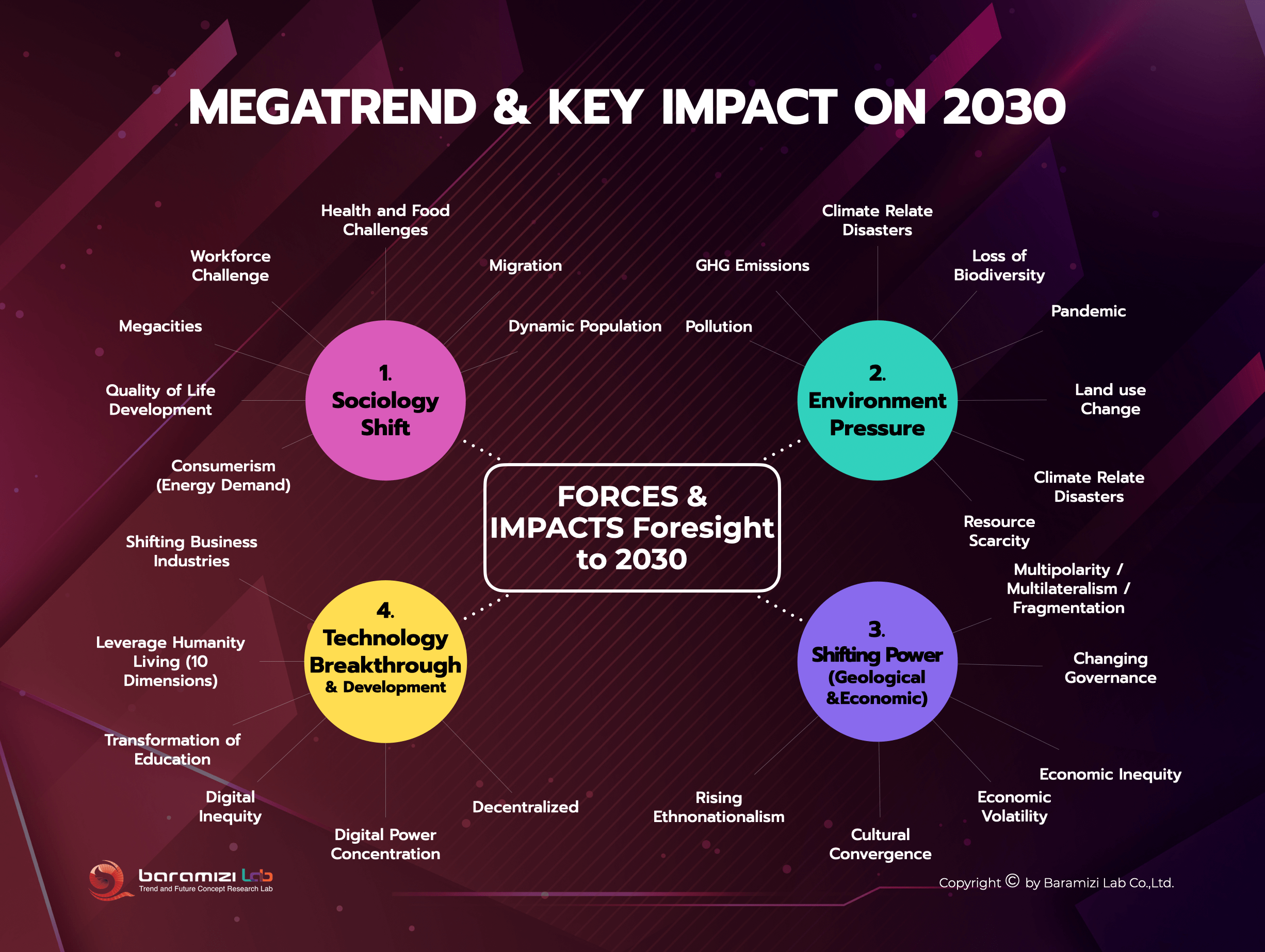
How The World Works Is Changing- What's Shaping It In 2026/27
Top 10 Healthcare Innovations That Are Changing Lives In 2026/27Healthcare is at one of the most significant inflection points of its time. The convergence of genomics, artificial intelligence and digital health infrastructure and a greater understanding of human biological processes at a molecular levels is creating breakthroughs that are transforming what is possible in the field of medicine at a rate that has the potential to challenge both medical systems and our understanding of. A few of these innovations are already being utilized by patients. Some are undergoing trials and regulatory processes which will enable them to enter mainstream practice in the coming years. Here are the ten healthcare technologies that are changing the lives of patients heading into 2026/27.
1. AI Transforms Medical Diagnosis
Artificial intelligence is showing diagnostic capabilities across an increasing range of medical specialties that are superior to or even better than those of experienced doctors for certain tasks. The field of radiology has seen AI technology is detecting fractures, cancers and neurological issues in imaging at a rapid pace and with consistency that augments the expertise of human experts significantly. in pathology AI analyzes tissue samples, increasing accuracy as well as efficiency. In primary health care, AI tools are helping doctors spot patterns in patient medical histories that may otherwise go unnoticed. The most important impact for the near future is not AI replacing doctors but AI extends the reach and quality of the clinical expertise, especially in settings in which access to specialist services is restricted.
2. Genomic Medicine Becomes Routine Clinical Practice
The cost of complete genome sequencing has dropped so quickly over the past decade that it's becoming a useful tool in clinical practice instead of a research instrument restricted to specialist facilities. Genomic information is being used to help guide treatment for cancer by identifying the specific mutations that cause a tumour and matching therapy in a way that allows newborns to be screened for a range of possible conditions, and evaluate individual risk for general diseases using methods that give you a truly personalized approach to prevention. The integration of genomic data within electronic health records as well as the creation of clinical decision support tools that aid doctors in understanding it are the main challenges but progress on both fronts is growing rapidly.
3. GLP-1 medications alter chronic disease Treatment
The appearance of GLP-1 antagonists as effective treatment options for obesity has been among some of the most significant advancements in medicine in recent years, and has consequences that go far beyond weight management. Evidence of renal, cardiovascular and even neurological benefits is rapidly increasing, along with the pipeline of related molecules that target metabolic disease is extensive. These drugs do not come without difficulties, like cost as well as supply restrictions, side impact profiles, and doubts regarding their long-term effectiveness, however their impact on how chronic metabolic diseases are treated and treated is already huge and will continue to grow.
4. Remote Monitoring And Wearable Technology Closing The Gap Between Appointments
The traditional model of healthcare, in which patients' condition is examined regularly during visits to the doctor with prolonged periods of clinical invisibility in between, is being replaced by a continuous monitoring via remote that generates a far richer picture of health over time between appointments. Wearable devices tracking cardiac rhythm and glucose levels, blood pressure levels, sleep quality, respiratory function, and activity are producing data streams that allow faster detection of health issues, more accurate treatment adjustments, and a shift away from proactive to proactive care. The problem is turning the amount of data generated by these devices into informative information without overwhelming health systems or patients.
5. Cell And Gene Therapies Advance towards Wider Accessibility
Gene and cell therapies, which treat disease by altering or reversing the mechanisms which cause it, rather than managing symptoms, have delivered some of the most dramatic clinical outcomes in the time of medicine. Many conditions that previously were lifelong and debilitating, such as blood disorders that are inherited, certain types of childhood leukaemia and certain genetic causes of blindness, are now treating with one-time interventions that provide lasting remission, or cure. The major hurdle is cost and manufacturing complexity, which have made these therapies out of easy access for many patients worldwide. There is significant effort being made in the solution of both issues, and the direction is towards greater access in the next few years.
6. Mental Health Care is Transformed By Digital And Pharmacological Innovation
Mental health care is undergoing simultaneously a variety of innovations on different fronts. Digital therapies, which are software-based interventions which have evidence-based support as good as conventional treatments, are expanding access significantly. AI-powered tools are improving the process of matching patients with suitable treatments and monitoring for the possibility of deterioration in clinical contact. On the pharmacological side, the advancement of psychedelics as therapies via clinical trials is yielding regulations that permit the treatment with compounds that produce remarkable results depression resistant to treatment, PTSD or distress towards the end of life. The combination of expanded access to treatments and new options for treatment represent a significant advance in a field of study that has lengthy struggled with both.
7. Surgical Robotics And Precision Techniques Improve Outcomes
Robotic-assisted surgery has matured from a specialist capability available in major hospitals to becoming an increasingly regular part of the surgical procedure across a growing range of procedures. The precision, reliability, and minimally invasive techniques offered with surgical robotics are reflected in lower risks as well as shorter hospital stays and quicker recovery time for patients. The next generation of robotics for surgery includes AI guidance with haptic feedback as well as autonomous capabilities for specific tasks which improve safety and outcomes. Alongside robotics advancements in imaging, navigation technology and surgical technique are raising the standards of what's applicable across all specialties ranging from cardio surgery to orthopaedics to neurosurgery.
8. Microbiome Research Creates New Treatment Strategies
The belief that our microbiome the community of microorganisms living in the gut, skin lung, and other body organs, plays a crucial role in health and illnesses is prompting a fresh kind of treatment. The transplantation of faecal microbiota, an established treatment option for recurrent Clostridioides difficile is currently being studied for an array of ailments including inflammatory bowel disorders, metabolic disorders, as well neurological conditions. Specialized probiotic therapies aimed at modulate the microbiome in specific ways are currently in clinical development. It is early in the field but has been able to produce results that are compelling to draw serious commercial and clinical research investment.
9. In the field of drug discovery, AI accelerates the process. AI
The traditional method of discovering drugs which involves identifying targets through screeners for compounds, the preclinical phase, and clinical trials, is averaging over 10 years and cost billions. AI can speed up the various stages of this process significantly. Machine learning models are capable of predicting protein structure, identifying promising pharmaceutical candidates, developing novel molecules with certain properties, and analysing data from clinical trials at a speed and scale that human scientists are not able to match. A number of AI-optimised or AI-discovered compounds are currently being tested used in clinical trials. the expectation within Pharmaceutical industry is AI will fundamentally alter the prices and times of getting new treatments to patients.
10. Health Equity Receives Greater Systemic Attention
The chronic and well-documented disproportions regarding health outcomes among different populations, influenced by their socioeconomic standing, ethnicity geography, as well as access to treatment, are receiving more pronounced attention from health systems than in the past. This is not merely about goodwill among clinicians but rather of policy formulation, technology deployment and research inclusion criteria as well as the structure of health systems. The goal is to ensure that AI diagnostic tools function in a fair way across diverse populations, that genetic databases reflect the entire variety of humanity, the use of telehealth does more than just redress existing gaps in access and that early prevention and intervention programs reach the populations that most need them are an active area of work. It is a slow process, but the understanding that innovation that enhances inequality in health instead of reduction of it has been more thoroughly ingrained in the past than it ever has been.
Innovation at a rapid pace in healthcare creates genuine grounds to be optimistic about the benefits that medicine can offer over the next decade. The problem is ensuring those benefits can be translated into better results for patients everywhere rather than being restricted to those who have the greatest benefits. That translation, from scientific possibilities to an equitable clinical reality is the primary challenge for the healthcare system by 2026/27 and beyond. To find more context, check out some of these reliable To find additional detail, visit some of the most trusted norgeaktuelt.org/ and find trusted coverage.
Top 10 Modern Parenting Shifts Every Family Today Needs To Know In 2027
Parenting has always been shaped by the social, cultural and technological contexts in the way it is conducted, and the environment of 2026/27 is different in ways that are creating new demands and new possibilities for families. The current landscape that parents must navigate involves a digital landscape of unimaginable complexity, an evolving understanding of the development of children and health issues, major economic pressures that affect family life, and a cultural moment that is reassessing many assumptions concerning how children should raised. Here are ten parenting concepts that every modern family should know about heading into 2026/27.
1. Screen time allows for HD Screen-Quality Conversations
The debate around screen-based children has evolved beyond the blunt metric of the amount of time spent on screens to more nuanced discussions about what children actually do when they're on screens, with whom and what they are doing in which context. Research is increasingly distinguishing between passive consumption and interactive engagement as well as creative production, and social interaction mediated by technology, and concluding that these have important differences in their developmental implications. Parents and educators are shifting from imposing hours limits that are difficult for children to sustain. They are moving towards fostering their capacity to use digital content carefully, with intention and in a manner that is healthy which will benefit them far better than enforced restrictions that end when parent supervision ceases.
2. Mental Health Awareness transforms how Parents Respond to Children
The substantial rise in mental health literacy over the past decade has changed the way parents view and respond to the emotional and behavioural concerns of children. The effects of neurodevelopmental disorders, anxiety or emotional dysregulation as well as the consequences of experiences that have been adverse are being understood with greater clarity by a parent generation that has been benefited by more dialogue about mental health. This has led to an increased awareness of difficulties, less stigma in seeking help, and parenting practices that focus on psychological security and emotional attunement alongside standard developmental milestones. The services that support children's mental health are under severe pressure in a majority of countries, but the need that drives this pressure can be seen as a positive development of awareness and behaviour.
3. The pressures of intensive parenting Are Increasingly Refusal
The concept of intense parenting, which is characterized by a high level of parental involvement in all aspects of children's life, packed calendars of activities, continuous enrichment and the concept of childhood as a goal to be optimized has been sparked by significant cultural opposition. Research studies on the benefits for unstructured and free-play, the vitality of boredom as a developmental factor and the dangers of over-scheduled childhoods for stress and autonomy development, and the insufferable demands that intensive parenting places on parents themselves are gaining large audiences. The resistance is not to neglect but toward a recalibration that provides children with more space in their lives, more autonomy, and the chance to tackle challenges independently as a foundation for resilience.
4. Technology determines both the obstacles And Tools Of Modern Parenting
Digital technology is one of the major problems parents face and is also an extremely powerful instruments to help support parents. AI-powered educational platforms tailor learning by providing support to kids with different needs. Communities online connect parents facing similar challenges through experience or information and also with a sense of camaraderie. Monitoring and safety tools allow parents visibility into digital environments that their children reside. The same time, social media pressures on children as well as the challenges of setting and maintaining boundaries for digital use across an increasingly connected device ecosystem and the complexity of helping children prepare for a world that is changing rapidly are all genuinely challenging parenting challenges without established playbooks.
5. Co-parenting And Different Family Structures Can Be Normalized
The variety of family structures and families raising children in 2026/27 is higher than at any previous point. The cultural and institutional frameworks of family life are, albeit unevenly yet genuinely, changing in accordance with the realities of the moment. The co-parenting arrangement following a breakdown in a relationship as well as families with a same-sex partner, single-parent households, blended families, and multi-generational households are all represented in significant amounts. The most reliable predictor of positive child outcomes across every single one of these is what is the level of relationship as well as the consistency and warmth of context, rather than a specific arrangement of the unit. Parenting advice, support, and community are increasingly built on that understanding, not an individual normative model of the family.
6. Dads and non-primary caregivers Take More Active Roles
Caregiving roles within families is shifting, driven through changing cultural expectations, more equitable parental leave policies in several countries, flexible work arrangements that make active fatherhood than feasible, and Generations of men who expect and want deeper involvement in their children's lives than the generations before them. The change is uneven and uneven across different social, cultural, and geographical contexts, but the direction is clear. Research consistently shows positive effects for the children, mothers, fathers and the family when caregiving is more equitably spread out, thereby providing an proof base to support the social shift in.
7. Financial pressures influence family decision-making
Family members face a variety of economic stresses in 2026/27 are huge and have shaped decisions about the size of the family, childcare, schools, housing and the distribution between unpaid and paid work by revealing patterns throughout the data. Childcare costs in many countries account for a significant proportion of household income, making the full-time job financially insignificant for one parent in dual-income households and especially for those with more modest incomes. Costs for housing impact decisions about which area families live in and how kids are able to grow in. The desire to provide children with the same opportunities and experiences that previous generations were accustomed to is now running through the economic realities that require a difficult decision-making process. Financial stress within families is generally a strong predictor for lower outcomes for children, which makes the economics of parenting an issue of policy as well like a personal one.
8. Nature And Outdoor Experience Become Deliberate Parenting Priorities
A new generation of children growing into increasingly connected urban, indoor and outdoor surroundings has caused parents to pay a lot of as well as educational concern to ensure that children engage with nature as a definite priority rather than an incidental outcome. Research on the developmental, psychological and physical health benefits of regular nature and outdoor activity that children have is a robust and growing. Forest school programs include outdoor education, simply prioritising free outdoor time are all responses to the realization that children's connection with the natural world needs to be actively developed instead of simply accepted as part of the lives that many families inhabit.
9. Educational Philosophy Diverges Beyond Conventional Schooling
Parental engagement with educational alternatives in contrast to conventional schools has increased exponentially. Democracy schools, home education such as Montessori, Waldorf methods, hybrid models which combine home education with school-based group instruction, as well as microschools that cater to families with small numbers are all appealing to parents who believe that traditional schooling does not serve their children's interests, needs or learning styles properly. This pandemic proved to many families that learning can happen efficiently outside of traditional school environments and that a substantial portion of those families have not changed their minds to the conventional model. Educational technology makes resources available to alternative learning strategies more than at any point in the past thus reducing the practical barriers for educational experimentation.
10. The Village Model Of Childraising is a modernized version
The severing of extensive family and community networks and informal support systems which were once the norm for families with children has left parents feeling isolated with responsibility that their parents shared more broadly. The search for modern versions of the village, communities with families who share resources, support, and presence in the lives of one another, is generating new forms such as intentional community and cooperative childcare arrangements and neighbourhood associations based around shared parenting support. The internet and the tools to connect parents who face similar challenges provide some relief, however the most effective solutions are those that promote physical contact and ongoing engagement between families that choose to raise their children in a genuine relationship with one another.
The role of parenthood in 2026/27 is challenging, rewarding, and more aware than at other instances in the history of mankind. The changes above don't represent a single, right approach in raising children since nothing like that exists. They reflect a society that is thinking much more thoughtfully, more openly and in greater detail about what children need to succeed, and searching with genuine intent for the conditions, relationships, and environments that provide it. To find further info, visit some of the top storyflow.us/ for more insight.